
How Many Bibles Are There: Exploring Bible Versions, Translations, and Canons

The Bible is one of the most widely read and distributed books in history, yet its versions and translations can be quite complex. This article delves into the various Bible versions, translations, and canons, providing insights into how many Bibles exist and the differences among them. Readers will learn about the distinctions between Protestant, Catholic, and Orthodox Bibles, the role of the Apocrypha, and the sheer number of translations available worldwide. Understanding these aspects can help individuals choose the right Bible for their spiritual journey. We will also explore how modern tools can enhance Bible study, making it more accessible and meaningful.
What Are the Different Bible Versions and Canons?
The term "Bible version" refers to the different translations and interpretations of the sacred text, which can vary significantly across religious traditions. The primary versions include the Protestant, Catholic, and Orthodox Bibles, each with its own canon of scripture. The significance of these differences lies in the number of books included and the theological implications of each version.
How Many Books Are in the Protestant, Catholic, and Orthodox Bibles?
The number of books in each Bible version varies:
- Protestant Bible: Contains 66 books, including 39 in the Old Testament and 27 in the New Testament.
- Catholic Bible: Includes 73 books, with 46 in the Old Testament and 27 in the New Testament, incorporating the Deuterocanonical books.
- Orthodox Bible: Varies by tradition but generally includes between 76 and 81 books, with additional texts in the Old Testament depending on the specific Orthodox tradition (e.g., Greek Orthodox, Russian Orthodox).
These differences highlight the diverse interpretations and teachings within Christianity.
What Is the Role of the Apocrypha in Bible Versions?
The Apocrypha refers to a set of texts that are included in the Catholic and Orthodox Bibles but are typically excluded from the Protestant canon. These books, such as Tobit and Judith, provide additional historical and theological context. Their inclusion or exclusion can significantly influence doctrinal beliefs and practices, making them a point of contention among different Christian denominations.
Further emphasizing these distinctions, one source highlights the historical variations in biblical canons across different Christian traditions.
How Many Bible Translations Exist Worldwide?
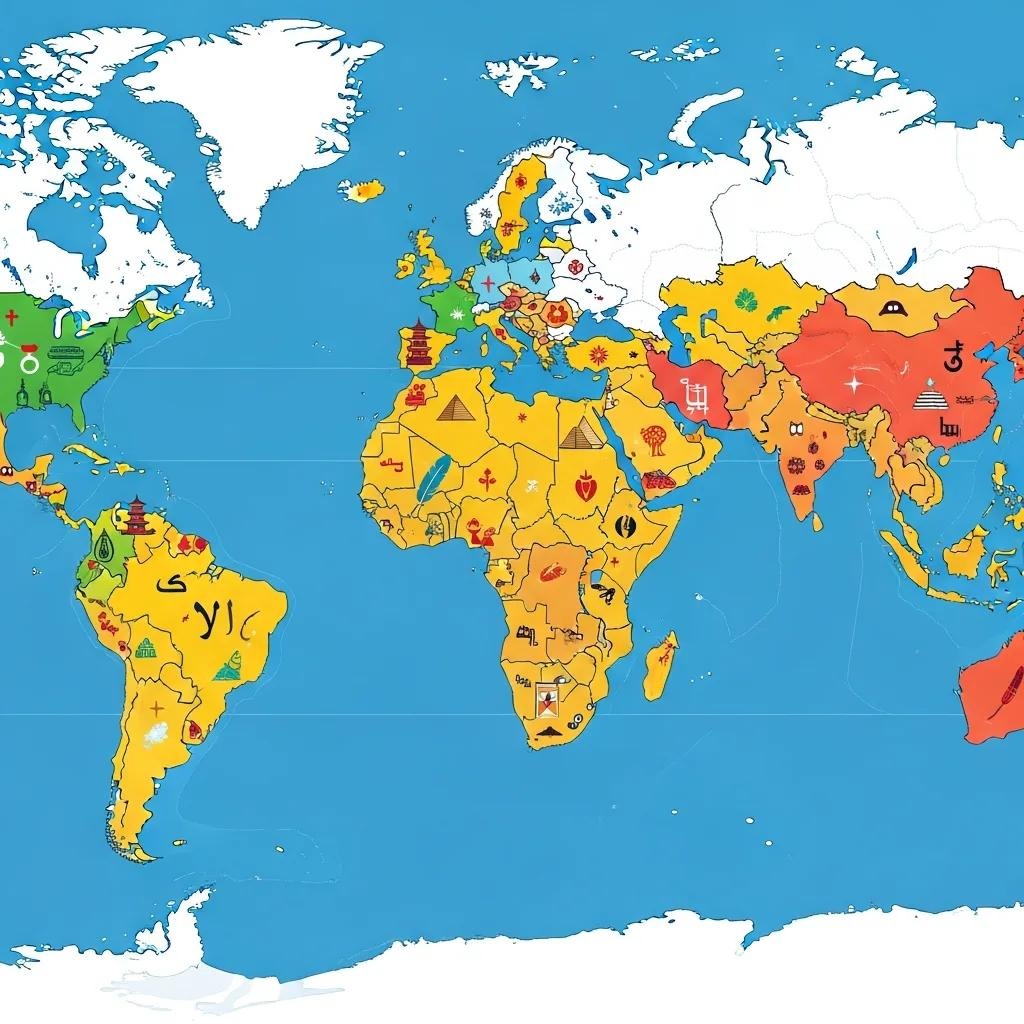
The Bible has been translated into numerous languages, making it one of the most translated texts in history. This section explores the total number of translations and their significance in spreading the Christian faith.
How Many English Bible Translations Are Available?
In English alone, there are over 450 translations and versions of the Bible, including complete, partial, and paraphrased editions. Some of the most popular include:
- King James Version (KJV): Known for its majestic prose and literary influence.
- New International Version (NIV): A balance of readability and accuracy, widely used in churches.
- English Standard Version (ESV): Emphasizes word-for-word accuracy while remaining readable.
These translations cater to different audiences and preferences, reflecting the diverse needs of English-speaking Christians.
The sheer volume of available English Bible versions underscores the extensive scholarship and ongoing discussion surrounding translation styles and their impact on understanding the text.
Into How Many Languages Has the Bible Been Translated?
As of now, the full Bible has been translated into over 700 languages, with the New Testament translated into more than 1,500 languages, and portions of the Bible translated into over 3,400 languages. This extensive reach underscores the importance of making scripture accessible to people around the world, allowing for a broader understanding of Christian teachings and values.
Beyond textual translations, visual aids can also enhance understanding. Explore AI Bible art to visualize scripture and deepen your spiritual connection through imagery.
What Are the Major English Bible Translations and Their Differences?
Understanding the major English Bible translations can help readers choose the version that best suits their needs. Each translation has its unique characteristics and intended audience.
What Are the Translation Philosophies: Formal Equivalence vs. Dynamic Equivalence?

Bible translations generally fall into two categories based on their translation philosophy:
- Formal Equivalence: This approach aims for a word-for-word translation, preserving the original text's structure and wording. Examples include the KJV and ESV.
- Dynamic Equivalence: This method focuses on conveying the thought and meaning of the original text in contemporary language. The NIV is a prime example.
These philosophies influence how the text is understood and interpreted by readers.
How Do KJV, NIV, ESV, and NLT Differ in Style and Usage?
| Translation | Style | Usage |
|---|---|---|
| KJV | Formal | Traditional, literary |
| NIV | Dynamic | Contemporary, widely used in churches |
| ESV | Formal | Academic, suitable for study |
| NLT | Dynamic | Accessible, easy to read |
Each translation serves different purposes, from academic study to devotional reading, catering to a wide range of preferences among believers.
Why Are There So Many Bible Versions?
The existence of multiple Bible versions can be attributed to various historical, linguistic, and theological factors. Understanding these reasons can provide insight into the diversity of Christian beliefs.
How Do Linguistic Changes and Manuscript Discoveries Influence Bible Versions?
Linguistic changes over time necessitate new translations to ensure that the text remains understandable to contemporary readers. Additionally, discoveries of ancient manuscripts can lead to revisions in existing translations, as scholars seek to provide the most accurate representation of the original texts.
What Theological and Cultural Factors Lead to Multiple Translations?
Theological differences among denominations often result in varying interpretations of scripture, leading to the creation of new translations. Cultural factors also play a role, as translations may be adapted to resonate with specific cultural contexts, making the message of the Bible more relatable to diverse audiences.
To further enrich your spiritual journey, consider exploring AI Christian art, which offers unique visual interpretations of faith and scripture.
How Can You Choose the Right Bible Translation for Your Needs?
Selecting the right Bible translation is crucial for effective study and understanding. This section offers guidance on how to make an informed choice.
What Are the Differences Between Study, Devotional, and Readability-Focused Bibles?
When choosing a Bible, consider the following types:
- Study Bibles: Include extensive notes, maps, and commentary to aid in understanding the text.
- Devotional Bibles: Focus on daily readings and reflections, often with thematic content.
- Readability-Focused Bibles: Prioritize clear and accessible language for easy comprehension.
Each type serves different purposes, so it's essential to identify your specific needs before making a selection.
For a comprehensive overview of spiritual resources and innovative tools designed to deepen your faith, visit ConfideIn.com.
How Can ConfideIn’s AI Tools Enhance Your Bible Study Experience?
ConfideIn.com offers innovative tools like the Prayer Ring, an AI-NFC wearable that delivers mood-matched Bible verses and anonymous blessings via phone tap. This technology can enhance your Bible study experience by providing personalized scripture that resonates with your current emotional state, fostering a deeper spiritual connection. As you explore the vast world of Bible translations and versions, integrating such tools can make your study more engaging and meaningful.
For any inquiries or further information about ConfideIn's offerings, please feel free to contact us.
Frequently Asked Questions
What is the significance of the Apocrypha in different Bible versions?
The Apocrypha consists of texts that are included in the Catholic and Orthodox Bibles but are generally excluded from the Protestant canon. These books, such as Tobit and Judith, provide additional historical and theological context. Their inclusion can influence doctrinal beliefs and practices, making them a point of contention among various Christian denominations. Understanding the Apocrypha is essential for grasping the broader theological landscape and the diverse interpretations of scripture across traditions.
How do I choose the best Bible translation for my needs?
Choosing the right Bible translation depends on your purpose and reading preferences. Consider whether you need a study Bible with extensive notes, a devotional Bible for daily reflections, or a readability-focused version for easy comprehension. Each type serves different needs, so it's essential to identify what you seek in your Bible study. Additionally, think about the translation philosophy—formal equivalence for accuracy or dynamic equivalence for contemporary understanding—to find a version that resonates with you.
What are the major differences between formal and dynamic equivalence in Bible translations?
Formal equivalence aims for a word-for-word translation, preserving the original text's structure and wording, as seen in translations like the King James Version (KJV) and English Standard Version (ESV). In contrast, dynamic equivalence focuses on conveying the thought and meaning of the original text in contemporary language, exemplified by the New International Version (NIV). Understanding these philosophies can help readers choose a translation that aligns with their study goals and comprehension preferences.
How do linguistic changes affect Bible translations over time?
Linguistic changes necessitate new Bible translations to ensure that the text remains understandable to contemporary readers. As language evolves, certain words and phrases may become outdated or lose their original meaning. Additionally, discoveries of ancient manuscripts can prompt revisions in existing translations, as scholars strive to provide the most accurate representation of the original texts. This ongoing process highlights the dynamic nature of biblical scholarship and the importance of accessible scripture.
What role do cultural factors play in Bible translations?
Cultural factors significantly influence Bible translations, as they may be adapted to resonate with specific cultural contexts. This adaptation helps make the message of the Bible more relatable and accessible to diverse audiences. For instance, translations may incorporate idiomatic expressions or cultural references familiar to the target audience, enhancing understanding and engagement. Recognizing these cultural nuances can deepen readers' appreciation of the text and its relevance to their lives.
How many languages has the Bible been translated into, and why is this important?
The Bible has been translated into over 700 languages, with the New Testament available in more than 1,500 languages and portions in over 3,400 languages. This extensive reach is crucial for spreading Christian teachings and values globally, ensuring that scripture is accessible to people from various linguistic backgrounds. The ability to read the Bible in one's native language fosters a deeper understanding of faith and encourages spiritual growth within diverse communities.