
When Was the Bible Written? A Comprehensive Timeline and Authorship Overview

The Bible, a foundational text for millions around the world, has a complex history of authorship and composition that spans centuries. Understanding when the Bible was written not only sheds light on its historical context but also enhances our appreciation of its teachings. This article will explore the timeline of Bible writing, the key authors involved, and the historical events that influenced its composition. Additionally, we will examine how ancient manuscripts and translations have shaped the text we know today. By the end, readers will gain a comprehensive understanding of the Bible’s writing history and its significance in contemporary faith practices.
What Is the Historical Timeline of Bible Writing?
The historical timeline of Bible writing is intricate, reflecting the diverse contexts in which its various books were composed. The Old Testament, primarily written between the 12th and 2nd centuries BCE, includes texts that were influenced by the cultural and historical events of ancient Israel. The New Testament, on the other hand, was written in the 1st century CE, capturing the life and teachings of Jesus Christ and the early Christian community. Understanding these timelines is crucial for interpreting the Bible’s messages and teachings accurately.
When Were the Old Testament Books Written?
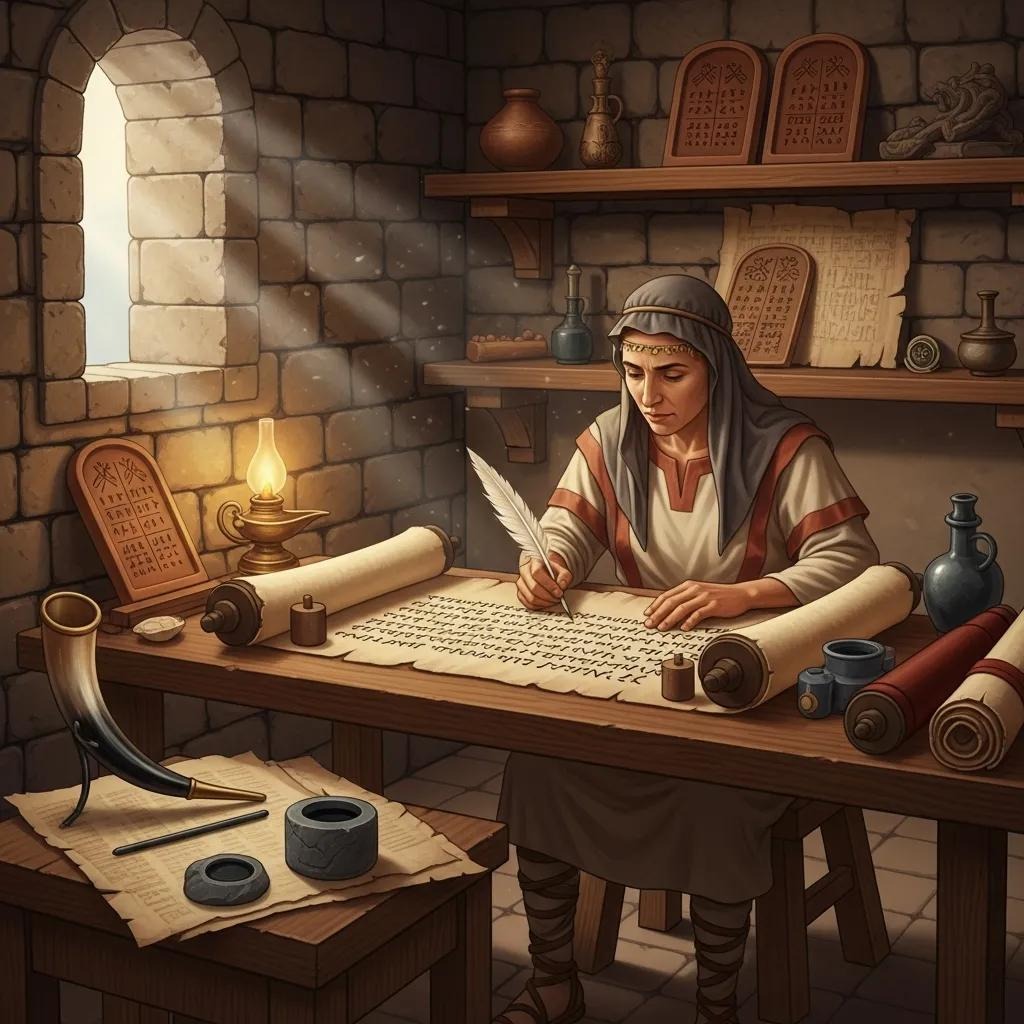
The Old Testament books were written over a span of several centuries, with key texts emerging during significant historical periods. For instance, the Pentateuch, traditionally attributed to Moses, is believed by some traditions to have origins in the 15th to 13th centuries BCE, but modern scholarship generally dates its composition and compilation to between the 10th and 5th centuries BCE. The prophetic books were composed during various periods, with many written or compiled during the Babylonian Exile in the 6th century BCE. This timeline illustrates how the Old Testament reflects the historical struggles and spiritual journeys of the Israelites.
When Were the New Testament Books Written?
The New Testament books were primarily written between approximately 50 and 110 CE. The earliest texts, such as the letters of Paul, were penned around 50-60 CE, addressing the challenges faced by early Christian communities. The Gospels, which narrate the life of Jesus, were written later, with Mark generally considered the earliest Gospel, written around 65-70 CE. This timeline highlights the rapid development of early Christian thought and the need for written accounts of Jesus’ teachings.
Who Were the Key Authors of the Bible and When Did They Write?
What Role Did Moses Play in Writing the Pentateuch?
Moses is traditionally regarded as the author of the Pentateuch, which includes the first five books of the Bible. However, modern biblical scholarship generally views the Pentateuch as a compilation of sources and traditions edited over several centuries, with final forms likely completed during the 6th to 5th centuries BCE. The traditional view places Moses’ role in shaping the identity and laws of the Israelite community, but the exact authorship remains a subject of scholarly debate.
How Did Paul the Apostle Contribute to New Testament Writings?

Paul the Apostle significantly influenced the New Testament through his letters, which addressed theological issues and practical concerns of early Christians. His writings, composed between approximately 50 and 67 CE, form a substantial portion of the New Testament and provide critical insights into the development of Christian doctrine and community life.
What Historical Events Influenced the Composition of the Bible?
How Did the Babylonian Exile Affect Old Testament Writing?
The Babylonian Exile, occurring in the early 6th century BCE, profoundly impacted the writing of the Old Testament. During this period, many texts were compiled and edited to preserve the Israelite identity and faith amidst foreign domination. This historical context is essential for understanding the themes of hope and restoration found in the prophetic writings.
What Is the Significance of the Dead Sea Scrolls in Biblical Dating?
The discovery of the Dead Sea Scrolls in the mid-20th century provided invaluable insights into the textual history of the Bible. These ancient manuscripts, dating from the 3rd century BCE to the 1st century CE, contain some of the earliest known copies of biblical texts, allowing scholars to better understand the transmission and preservation of the biblical canon.
The profound significance of the Dead Sea Scrolls is further illuminated by their direct contribution to our understanding of textual variations and the historical development of the Hebrew Bible.
How Did Ancient Manuscripts and Translations Shape the Bible’s Text?
What Is the Importance of the Septuagint in Bible History?
The Septuagint, a Greek translation of the Hebrew Scriptures completed between the 3rd and 2nd centuries BCE, played a vital role in making the Old Testament accessible to a broader audience, particularly in the Hellenistic world. This translation not only influenced early Christian thought but also shaped the understanding of key theological concepts.
Scholarly analysis further underscores the importance of understanding distinct historical phases, such as the Hellenistic era, to fully grasp the Septuagint's impact on biblical textual material.
How Does the Masoretic Text Influence Old Testament Dating?
The Masoretic Text, established between the 7th and 10th centuries CE, serves as the authoritative Hebrew text of the Old Testament. Its meticulous preservation and transmission have been crucial for biblical scholarship, providing a reliable basis for dating and interpreting Old Testament writings.
How Has the Bible’s Composition History Been Studied and Verified?
What Are the Methods Used to Date Biblical Texts?
Scholars employ several methods to date biblical texts, including textual criticism, linguistic analysis, and historical context examination. These approaches allow researchers to establish timelines for when specific books were written, contributing to a more nuanced understanding of the Bible’s development.
How Do Modern AI Tools Help Visualize Biblical Narratives?
Modern AI tools are increasingly being utilized to visualize biblical narratives and analyze textual patterns. These technologies enhance our understanding of the Bible by providing new insights into its composition and the relationships between different texts, making the study of scripture more accessible and engaging.
| Biblical Text | Estimated Writing Date | Author |
|---|---|---|
| Pentateuch | 10th–5th century BCE (compiled) | Traditionally Moses |
| Gospels | 65-110 CE | Various |
| Pauline Epistles | 50-67 CE | Paul |
The table above summarizes key biblical texts, their estimated writing dates, and their attributed authors, illustrating the diverse historical contexts in which the Bible was composed.
The exploration of the Bible’s writing history reveals a rich tapestry of authorship and historical influence. By understanding when and why these texts were written, we can better appreciate their significance in both historical and contemporary contexts. The integration of modern tools and methodologies continues to enhance our understanding of this ancient text, ensuring its relevance for future generations.
Frequently Asked Questions
What are the different translations of the Bible, and how do they differ?
The Bible has been translated into numerous languages and versions, each with unique characteristics. Major translations include the King James Version (KJV), which is known for its poetic language, and the New International Version (NIV), which aims for clarity and modern readability. Other translations, like the New Revised Standard Version (NRSV), focus on academic accuracy. Differences arise from translation philosophies, such as formal equivalence (word-for-word) versus dynamic equivalence (thought-for-thought), affecting how the original texts are interpreted and understood.
How do archaeological discoveries impact our understanding of the Bible?
Archaeological discoveries have significantly enhanced our understanding of the Bible by providing historical context and evidence for biblical events. Findings such as ancient inscriptions, artifacts, and city ruins help verify the existence of places and people mentioned in the scriptures. For instance, the discovery of the Tel Dan Stele provided evidence for King David's reign. These discoveries can confirm, challenge, or enrich interpretations of biblical narratives, allowing scholars to construct a more accurate historical framework for understanding the text.
What role do cultural contexts play in interpreting the Bible?
Cultural contexts are crucial for interpreting the Bible, as they influence the language, customs, and societal norms reflected in the text. Understanding the historical and cultural background of the ancient Near East, for example, can illuminate the meanings of parables, laws, and prophecies. Scholars often analyze the socio-political environment of the time to grasp the intended messages and implications of biblical passages. This contextual approach helps readers appreciate the relevance of biblical teachings in both ancient and modern settings.
How has the Bible influenced literature and art throughout history?
The Bible has profoundly influenced literature and art across centuries, inspiring countless works in various genres. From Dante's "Divine Comedy" to Milton's "Paradise Lost," biblical themes and narratives have shaped literary traditions. In art, biblical stories have been depicted by masters like Michelangelo and Rembrandt, conveying spiritual and moral messages. This influence extends to modern media, where biblical motifs continue to resonate in films, music, and visual arts, reflecting the enduring impact of the Bible on human creativity and expression.
What is the significance of biblical canon formation?
The formation of the biblical canon is significant as it determines which texts are considered authoritative and sacred within a religious tradition. The process involved rigorous debate and criteria, such as apostolic authorship and theological consistency. For example, the New Testament canon was largely established by the 4th century CE, influencing Christian doctrine and practice. Understanding canon formation helps clarify why certain books are included while others are excluded, shedding light on the historical and theological development of the faith.
How do different denominations view the Bible's authority?
Different Christian denominations have varying perspectives on the Bible's authority, which can affect their teachings and practices. For instance, Protestant denominations typically emphasize "sola scriptura," the belief that the Bible alone is the ultimate authority in matters of faith. In contrast, Catholicism holds that both Scripture and Tradition are authoritative. These differences can lead to diverse interpretations of biblical texts and theological concepts, highlighting the importance of understanding denominational beliefs when studying the Bible.