
Where Is Modern-Day Nazareth: Nazareth, Israel — Location, History & Biblical Significance
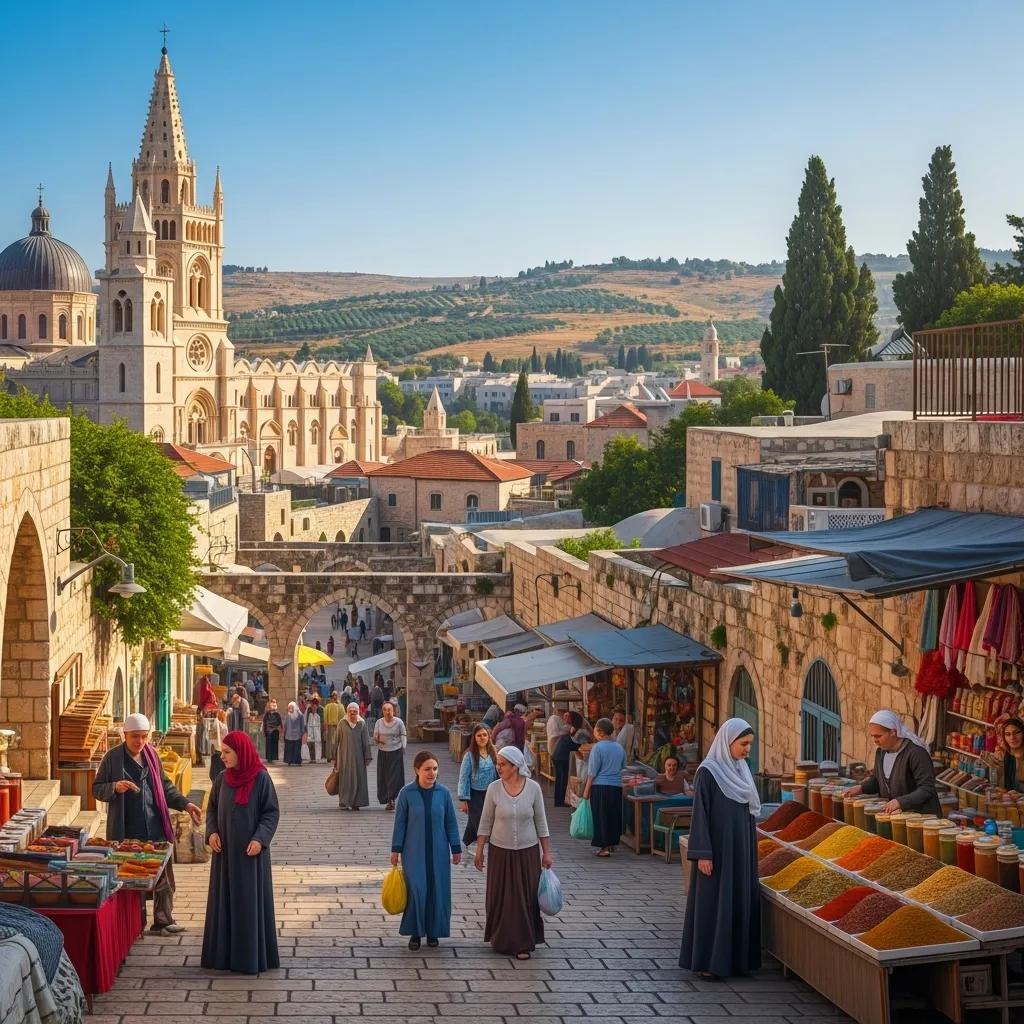
Nazareth is a place where history and faith meet. Remembered as Jesus’s childhood home, today it’s a lively city in northern Israel that draws visitors wanting to walk in its streets, visit its holy sites, and learn its stories. This guide explains where Nazareth sits on the map, why it matters in the biblical story, and how its cultural mix shapes everyday life. You’ll also find practical tips for planning a visit and a look at how digital tools can deepen spiritual connection to this historic city.
Where Is Nazareth Located Today in Israel?
Nazareth sits in northern Israel, in the Lower Galilee region. It’s roughly 25 kilometers southwest of the Sea of Galilee and about 90 kilometers from Jerusalem. The city rests near 350 meters above sea level, surrounded by the rolling hills and valleys that give the area its distinctive scenery. The coordinates are about 32.6996° N latitude and 35.3035° E longitude, and Nazareth is conveniently reachable from cities such as Haifa and Tel Aviv.
What Is the Geographic Setting of Nazareth in Lower Galilee?
Nazareth’s landscape is defined by hills and a Mediterranean climate: hot, dry summers and mild, wetter winters. Those conditions shaped local agriculture and daily life for generations. The region’s valleys and rocky rises create a striking backdrop for the town and, historically, its location helped link trade and travel across ancient Israel. The physical setting of Nazareth also played a role in many of the biblical stories tied to Jesus’s life.
Nazareth’s sharply rising hills help mark its place within the Lower Galilee landscape.
What Is the Biblical Significance of Nazareth Today?
Nazareth is central to the Christian story because it’s where Jesus grew up. Often called Jesus’s childhood home, the town appears throughout the New Testament and represents humble, ordinary beginnings that become part of a larger, sacred narrative. For many visitors, Nazareth is both a historical place and a living symbol of faith.
That connection is part of why Nazareth remains woven into the wider Christian message.
Why Is Nazareth Known as Jesus's Childhood Home?
The Gospels identify Nazareth as the place where Jesus was raised. While the Nativity accounts place his birth in Bethlehem, the family’s return from Egypt and their life in Nazareth are what led early Christians to refer to him as “Jesus of Nazareth.” The town’s social and cultural setting during his youth shaped the environment in which his teachings later took root.
Which Holy Sites Can You Visit in Nazareth?
What Are the Key Pilgrimage Sites Like the Church of the Annunciation?
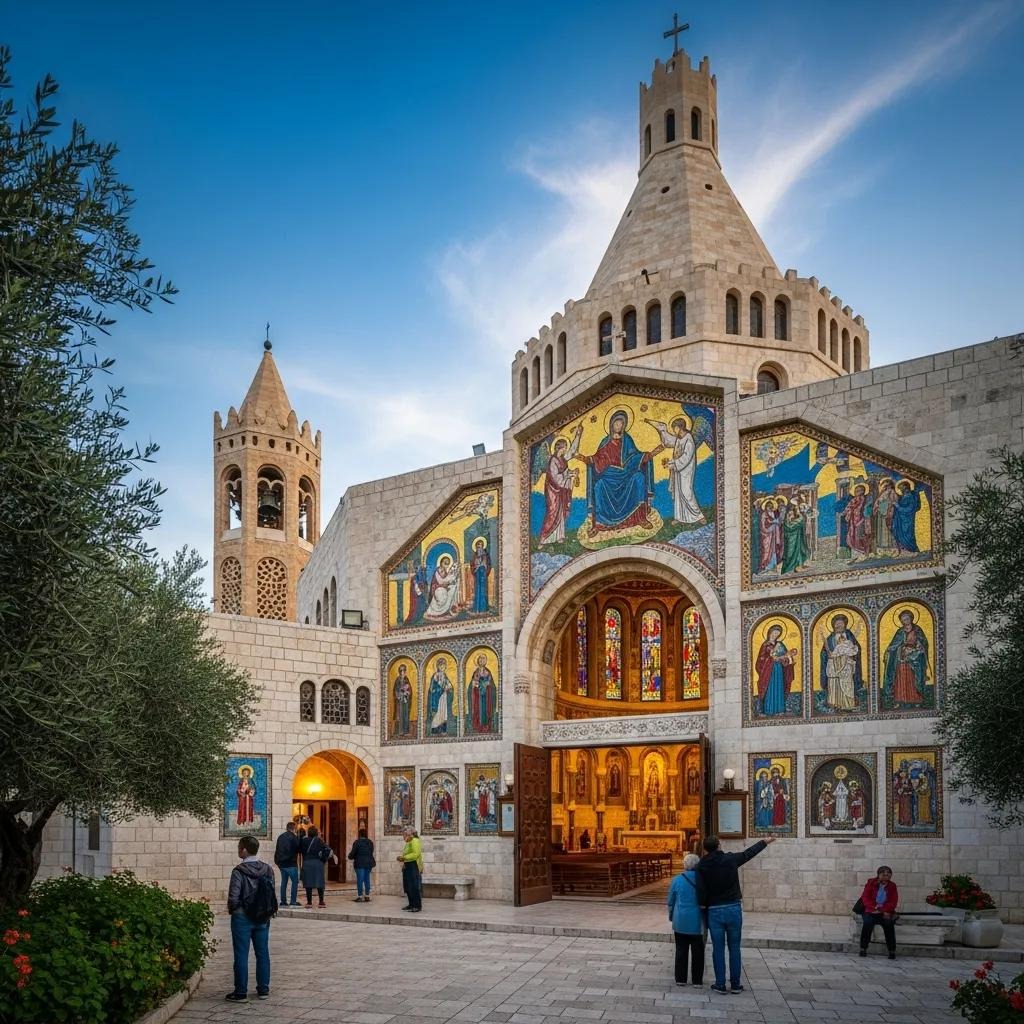
The Church of the Annunciation is among Nazareth’s most visited sites; tradition marks it as the place where the Angel Gabriel told Mary she would bear Jesus. The church is noted for its architecture and colorful mosaics. Other important sites include the Synagogue Church and St. Joseph’s Church — each offers a different window into the life of the early Christian community.
How Do Pilgrims Experience Nazareth’s Spiritual Heritage?
Pilgrims often pair guided historical tours with quiet moments of personal reflection. Guided walks explain the biblical background of each site while prayer and communal gatherings let visitors connect more deeply with the city’s spiritual history. Many travelers describe their time in Nazareth as both informative and quietly transformative.
How Does Modern Nazareth Reflect Its Cultural and Religious Diversity?
Today’s Nazareth is a diverse, predominantly Arab city where Muslim and Christian communities live and work alongside one another. That mix is visible in markets, festivals, and everyday life.
What Is the Demographic Composition of Nazareth Today?
Nazareth’s population is largely Arab, with an estimated split of roughly 70% Arab Muslims and 30% Arab Christians. That demographic balance creates a distinctive cultural landscape where traditions from both faiths are visible and celebrated.
How Do Christian and Muslim Communities Coexist in Nazareth?
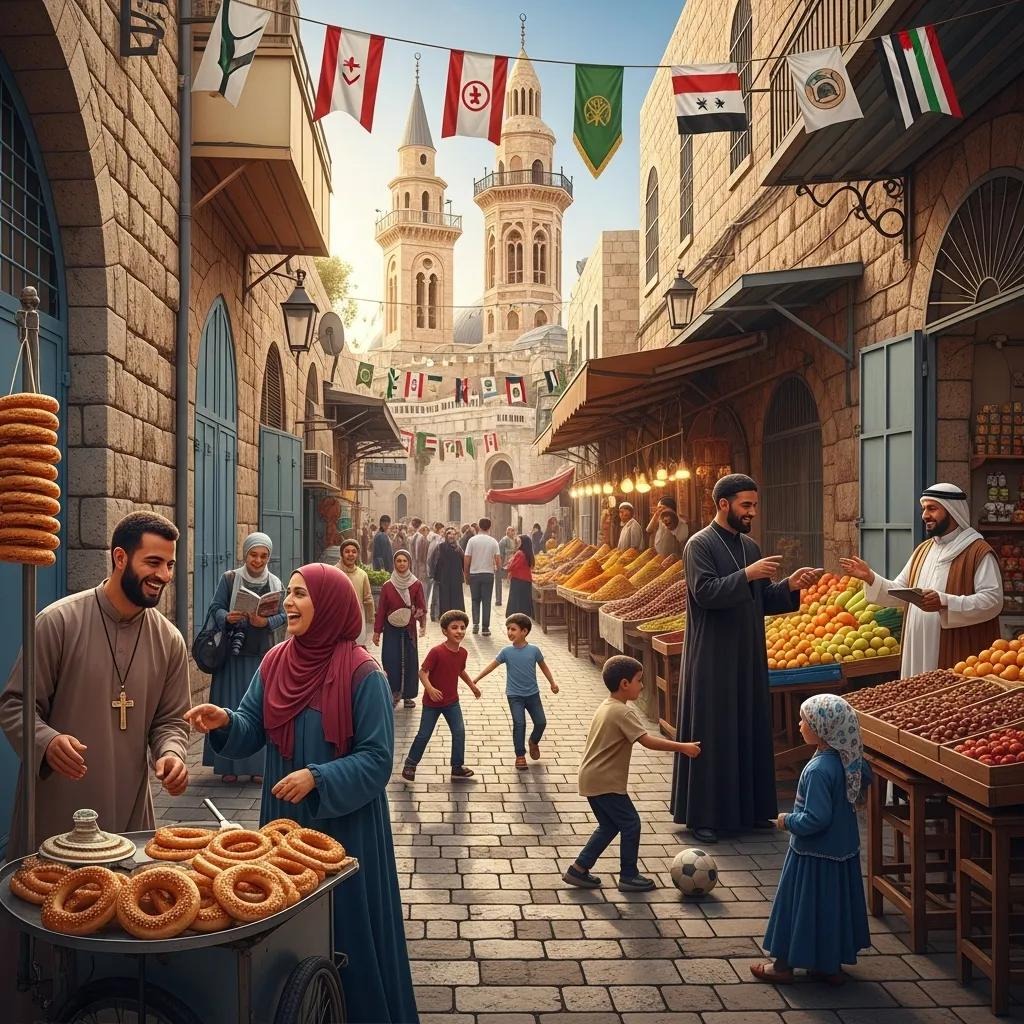
Coexistence in Nazareth is supported by everyday cooperation and organized interfaith efforts. Community events, shared marketplaces, and local initiatives encourage dialogue and mutual respect, showing how different religious identities remain part of a common civic life.
The city’s history points to a long tradition of interfaith life woven into daily routines.
How Can You Connect Spiritually with Nazareth Using ConfideIn’s Prayer Ring?
Today’s digital tools can help deepen spiritual ties to places like Nazareth. ConfideIn’s digital tools are designed to bridge physical pilgrimage and everyday prayer, and the Prayer Ring is one wearable option that helps make those connections personal and portable.
How Does the ConfideIn Prayer Ring Enhance Personal Prayer Related to Nazareth?
The ConfideIn Prayer Ring uses NFC technology to deliver curated prayers and scriptures tied to meaningful places and moments. You can load prayers connected to Nazareth, access guided reflections, and share requests with an anonymous community — creating a discreet way to join others in prayer while keeping your experience personal.
In What Ways Does the Prayer Ring Foster a Global Faith Community Inspired by Nazareth?
The Prayer Ring helps build a global community by letting users exchange prayers and encouragement across distances. Shared prayers and testimonies create a sense of fellowship tied to the spiritual heritage of places like Nazareth, allowing people from different backgrounds to support one another’s faith journeys.
What Should You Know When Planning a Pilgrimage to Modern Nazareth?
A meaningful pilgrimage benefits from a bit of planning. Consider timing, local customs, and practical needs so you can focus on the experience itself.
When Is the Best Time to Visit Nazareth for Pilgrimage?
Spring and fall are the most comfortable seasons for visiting Nazareth: the weather is mild and outdoor walking is pleasant. These seasons also overlap with several religious festivals, which can add memorable cultural context to your visit. Summers can be very hot, so many pilgrims prefer to avoid the peak heat.
What Are Essential Tips for Visiting Nazareth’s Holy Sites?
When you visit Nazareth’s holy sites, respect for local customs makes the experience richer. Helpful tips:
- Plan Ahead: Check opening hours and any visitor requirements for each site you plan to see.
- Stay Hydrated: Carry water, especially in warmer months or on long walks.
- Engage with Locals: Local guides and residents offer valuable stories and context — take the chance to listen and learn.
Following these simple practices helps ensure a respectful, informative, and spiritually rewarding visit to Nazareth.
Frequently Asked Questions
What is the history of Nazareth before the time of Jesus?
Nazareth existed before Jesus’s lifetime as a small agricultural settlement. Archaeology shows it was inhabited during the Second Temple period by Jewish communities, and its position made it a crossroads for local travel and trade. The name is often linked to the Hebrew word "netzer," meaning "branch," a connection that later readers found meaningful. This earlier history helps explain the social setting in which Jesus lived and taught.
What cultural events take place in modern Nazareth?
Nazareth hosts many cultural events that reflect its mixed heritage. The Nazareth Christmas Market, for example, celebrates the city’s Christian traditions with crafts, food, and music. The Nazareth Festival of Arts highlights local performers and visual artists, creating opportunities for cultural exchange. These events bring the community together and make Nazareth an energetic place year-round.
How can visitors engage with the local community in Nazareth?
Visitors can connect with Nazareth’s community through guided tours led by local residents, by attending festivals and public events, and by visiting markets and neighborhood businesses. Volunteering with local organizations is another meaningful way to engage. These interactions offer a richer understanding of daily life in the city while supporting local voices.
What are some local delicacies to try in Nazareth?
Nazareth’s cuisine reflects its regional flavors. Try staple dishes such as kebabs, hummus, and falafel. For sweets, maamoul — a pastry filled with dates or nuts — is popular, especially during celebrations. Exploring local eateries and street vendors is one of the best ways to taste the city’s culinary traditions.
Are there any guided tours available in Nazareth?
Yes — Nazareth offers a range of guided tours to match different interests. You can choose walking tours of the old city, faith-focused pilgrim routes, or themed tours centered on art and food. Local guides bring historical detail and personal insight that deepen your visit and connect you to the city’s stories.
What accommodations are available for pilgrims visiting Nazareth?
Nazareth provides accommodation options from budget-friendly hostels to mid-range hotels and guesthouses, many near major holy sites. Some properties provide pilgrim-friendly services such as prayer spaces or assistance arranging local tours. During busy seasons it’s wise to reserve rooms in advance to secure the lodging that best fits your needs.