
Bible Verses About Community: Exploring Unity, Fellowship, and Mutual Support in Scripture

Community is a fundamental aspect of the Christian faith, deeply rooted in biblical teachings. The Bible emphasizes the importance of unity, fellowship, and mutual support among believers, illustrating how these elements foster spiritual growth and connection. In this article, we will explore various Bible verses that highlight the significance of community, providing insights into how these teachings can be applied in our lives today. Many individuals seek a deeper sense of belonging and connection within their faith communities, and the scriptures offer guidance on how to cultivate these relationships. We will delve into the definitions of Christian community, the importance of love and unity, and how mutual support is encouraged in scripture. Additionally, we will examine the role of hospitality and the practices of the early church, concluding with how modern tools like ConfideIn's AI Prayer Ring can enhance spiritual connections.
What Does the Bible Teach About Christian Community and Fellowship?
The Bible teaches that Christian community is essential for spiritual growth and support. It emphasizes the concept of koinonia, which refers to the fellowship and shared life among believers. This fellowship is not merely social; it is a deep, spiritual connection that fosters mutual encouragement and accountability. Key scriptures such as Acts 2:42-47 illustrate the early church's commitment to community, where believers devoted themselves to the apostles' teaching, fellowship, breaking of bread, and prayer. This model serves as a foundation for understanding the importance of community in the Christian faith.
How Is 'Koinonia' Defined in the Bible?

Koinonia, a Greek term, is often translated as "fellowship" or "communion." It signifies a deep, spiritual partnership among believers, characterized by shared faith and mutual support. In 1 John 1:7, the scripture states:
“But if we walk in the light, as he is in the light, we have fellowship with one another.”
This verse highlights that true koinonia is rooted in a shared relationship with Christ, which naturally extends to relationships with fellow believers. The implications of koinonia are profound, as it calls Christians to actively engage in each other's lives, fostering a sense of belonging and accountability.
Which Scriptures Highlight the Importance of Spiritual Communion?
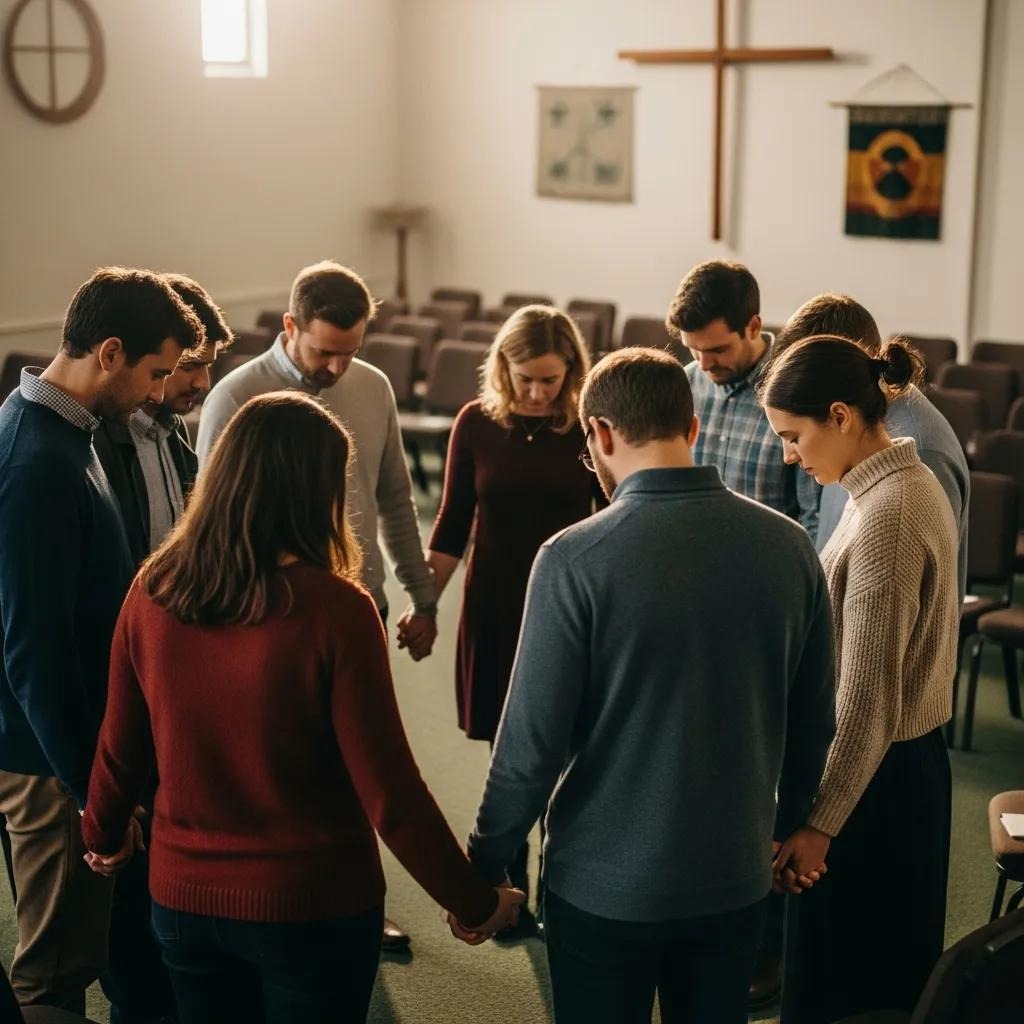
Several scriptures emphasize the significance of spiritual communion within the Christian community. For instance: “And let us consider how to stir up one another to love and good works, not neglecting to meet together, as is the habit of some, but encouraging one another
Frequently Asked Questions
What are the benefits of being part of a Christian community?
Being part of a Christian community offers numerous benefits, including spiritual growth, emotional support, and a sense of belonging. Engaging with fellow believers allows individuals to share their faith journeys, receive encouragement during challenging times, and celebrate spiritual milestones together. Additionally, community involvement fosters accountability, helping members stay committed to their faith. The shared experiences and collective worship create a nurturing environment that enhances personal and communal faith practices, ultimately leading to a deeper understanding of God's teachings.
How can I find a Christian community that fits my needs?
Finding a Christian community that aligns with your needs involves exploring local churches, small groups, or online faith-based platforms. Start by attending services or events at various churches to gauge their teachings and community dynamics. Consider joining small groups or Bible studies that focus on specific interests or demographics. Online resources, such as social media groups or faith-based apps, can also connect you with like-minded individuals. Ultimately, look for a community that emphasizes love, support, and shared values in your spiritual journey.
What role does hospitality play in Christian community?
Hospitality is a vital aspect of Christian community, reflecting the love and generosity that believers are called to show one another. It involves welcoming others into your home and life, creating an environment where relationships can flourish. Scriptures like Hebrews 13:2 encourage believers to practice hospitality, as it fosters connection and unity. By sharing meals, offering support, and being present for one another, Christians can strengthen their bonds and create a nurturing atmosphere that embodies the essence of koinonia.
How can technology enhance community engagement among Christians?
Technology can significantly enhance community engagement among Christians by providing platforms for connection, communication, and collaboration. Online tools such as social media, video conferencing, and faith-based apps allow believers to stay connected, share resources, and participate in virtual gatherings. These technologies can facilitate prayer groups, Bible studies, and community outreach initiatives, making it easier for individuals to engage with their faith and each other, regardless of geographical barriers. Embracing technology can help foster a sense of belonging and support in the modern Christian community.
What are some practical ways to encourage mutual support in a community?
Encouraging mutual support in a community can be achieved through various practical approaches. Organizing regular gatherings, such as prayer meetings or fellowship events, fosters connection and open communication. Establishing mentorship programs can help individuals support one another in their spiritual journeys. Additionally, creating opportunities for service projects allows community members to work together, strengthening their bonds while serving others. Encouraging open dialogue about personal struggles and triumphs can also cultivate an environment of trust and support, essential for a thriving Christian community.
How does the early church model influence modern Christian communities?
The early church model, as depicted in the New Testament, serves as a foundational blueprint for modern Christian communities. Key elements such as shared worship, communal meals, and collective prayer emphasize the importance of fellowship and unity. By adopting practices like breaking bread together and engaging in mutual support, contemporary communities can foster deeper connections among members. The early church's commitment to teaching and accountability also encourages modern believers to prioritize spiritual growth and collaboration, ensuring that the essence of koinonia remains alive today.
I recall a small church group I visited that truly embodied the spirit of the early church. Every week, members gathered not just for worship, but also to share meals, pray for one another, and discuss how they could support each other in daily life. One member had recently lost her job, and the community immediately rallied around her—offering encouragement, helping with practical needs, and lifting her up in prayer. Through these acts of fellowship, she felt deeply cared for and spiritually strengthened. Experiences like this show that modern Christian communities, by modeling the early church’s practices of shared life, prayer, and mutual support, can create environments where faith flourishes and believers feel truly connected.