
Bible Verses About Marriage & Covenant: Scripture-Guided Commitment and Spiritual Growth

Marriage is more than a legal partnership; in Christian teaching it’s a sacred covenant that reflects how God relates to His people. In this article we walk through key Bible verses about marriage and covenant, explain what they mean for everyday life, and offer practical ways prayer and spiritual growth can strengthen your marriage. We also highlight how faith-centered tools — like the Confidein Prayer Ring — can help couples keep their commitments front and center. Our goal is simple: help couples deepen connection and faith together.
What Is the Meaning and Theology of the Marriage Covenant in the Bible?
At its heart, the marriage covenant describes a lifelong, promise-filled relationship that mirrors God’s faithfulness to His people. It’s not just a contract; it’s a sacred bond that calls spouses to love, remain faithful, and support one another through life’s seasons. Seeing marriage through the lens of covenant helps couples recognize both the spiritual weight and the practical responsibilities of their vows.
Scholars and theologians have expanded on this view, tracing how covenant language shapes biblical teaching about marriage.
How Does the Bible Define Covenant and Its Role in Christian Marriage?
In Scripture, a covenant is a solemn agreement that creates and sustains a relationship—often with commitments and promises attached. Applied to marriage, covenant language highlights the lifelong commitment spouses make to one another, modeled after God's steadfast love. The Bible also warns that breaking this covenant carries spiritual and relational consequences, which is why loyalty and trust are so central to its teaching on marriage.
Academic discussions reinforce the idea that marriage is best understood within the broader doctrine of covenant theology.
Which Key Scriptures Illustrate the Marriage Covenant Relationship?
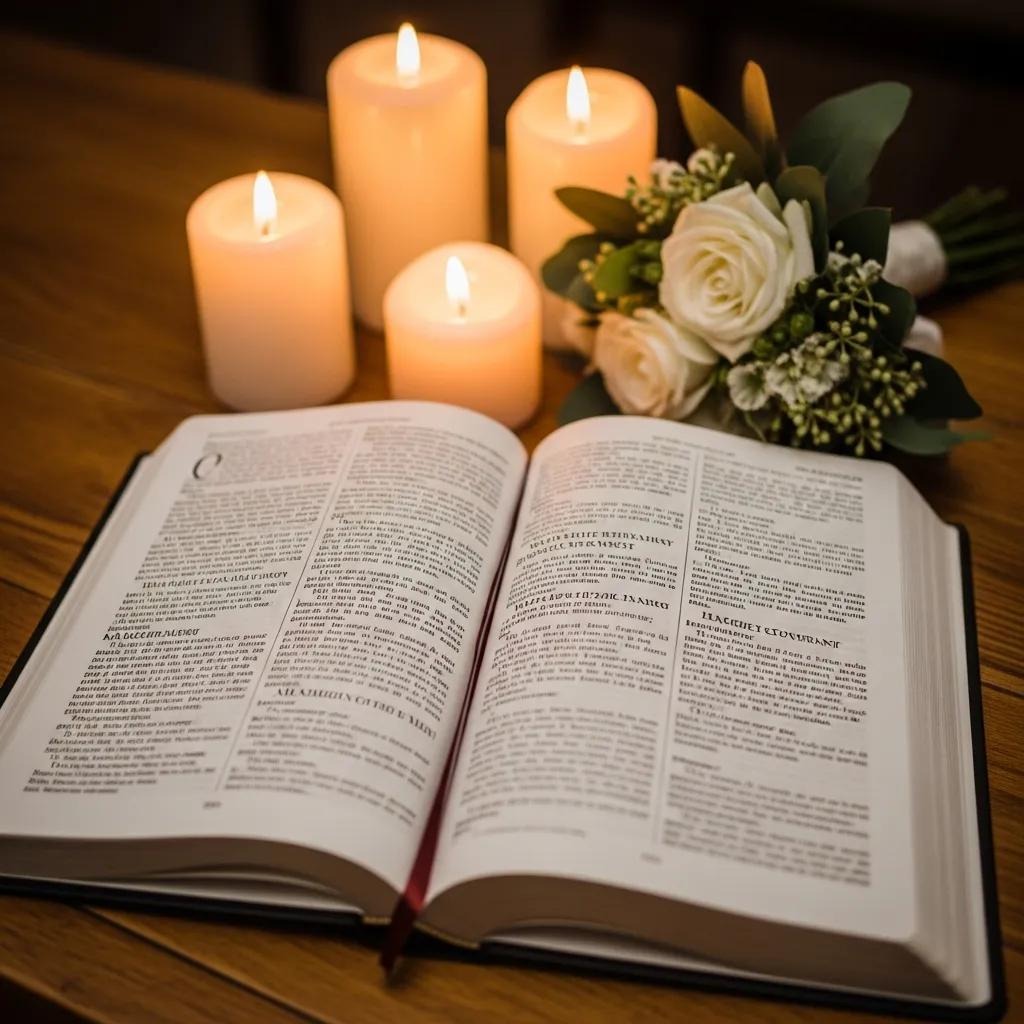
Several passages lay out the shape of the marriage covenant and offer practical guidance for married life. Important verses include:
- Genesis 2:24: “Therefore a man shall leave his father and mother and be joined to his wife, and they shall become one flesh.” This verse emphasizes the intimate unity marriage creates.
- Ephesians 5:25: “Husbands, love your wives, just as Christ also loved the church and gave Himself for her.” Here we see sacrificial love held up as the model for husbands toward their wives.
- Malachi 2:14: “Yet you say, 'For what reason?' Because the Lord has been witness between you and the wife of your youth, with whom you have dealt treacherously.” This passage underscores the covenant’s seriousness and God’s role as witness to marital vows.
Together these scriptures help define what a covenant marriage looks like in both heart and practice.
Which Bible Verses Best Describe Marriage and Covenant Promises?
The Bible is full of verses that remind couples why their vows matter—calling them to love, respect, and remain faithful. These passages offer both theological grounding and concrete direction for daily life together.
What Are the Most Impactful Christian Marriage Verses to Guide Couples?
Several well-loved passages offer clear, practical guidance for married life:
- 1 Corinthians 13:4-7: “Love is patient, love is kind; love does not envy, it does not boast, it is not proud. It does not dishonor others, it is not self-seeking, it is not easily angered, it keeps no record of wrongs.” This passage sketches the character of love that should shape a marriage.
- Colossians 3:14: “And above all these things put on love, which is the bond of perfection.” Love is portrayed as the glue that holds virtues together in a healthy marriage.
- Proverbs 18:22: “He who finds a wife finds a good thing, and obtains favor from the Lord.” This verse celebrates marriage as a blessing from God.
These scriptures give couples a framework for growing together and keeping their covenant promises alive.
How Do Scriptures About Covenant Relationships Inspire Commitment?
Scripture motivates commitment by calling out values like trust, mutual accountability, and respect. These passages remind couples that vows are sacred and worth protecting. For example, Ephesians 4:2 exhorts believers to
“be completely humble and gentle; be patient, bearing with one another in love.”
How Can Prayer and Spiritual Growth Strengthen Marriage Covenants?
Prayer and spiritual formation are practical supports for marital faithfulness. Praying together invites God into the relationship, while spiritual growth shapes character traits—patience, kindness, forgiveness—that sustain a marriage through hard seasons.
Studies consistently show that shared spiritual practices—like prayer and Scripture study—correlate with stronger marital commitment.
What Are Effective Prayer Practices for Christian Marriages?
- Daily Prayer Together: A short, daily time of prayer—morning or evening—creates spiritual rhythm and keeps couples aligned in purpose.
- Praying for Each Other: Regularly naming one another’s needs and hopes in prayer builds empathy and mutual care.
- Scripture-Based Prayer: Using Bible verses as the language of your prayers helps you pray with clarity and focus, inviting God’s promises into your life together.
These practices deepen spiritual intimacy and reinforce the marriage covenant in everyday life.
How Does Spiritual Growth Support Lasting Marriage Commitments?
As spouses grow spiritually, they tend to develop greater emotional resilience and a more Christlike posture—qualities that help them forgive, persevere, and love through difficulty. Prioritizing spiritual formation equips couples to face conflict with grace and to stay committed over the long haul.
What Are the Benefits of Faith-Based Wearable Technology in Marriage?
Faith-focused wearables like the Confidein Prayer Ring can be a gentle, daily reminder of your vows and spiritual priorities. For couples who want a simple nudge toward consistent prayer and reflection, these devices offer meaningful support without being intrusive.
How Does the Confidein Prayer Ring Support Marriage Covenant Commitment?
The Confidein Prayer Ring is designed to be a visible, wearable symbol of faith and devotion. It encourages regular moments of prayer and reflection, helping spouses remember their vows and intentionally nurture the spiritual side of their relationship.
Why Choose Faith-Based Wearable Technology as a Marriage Gift?
Giving a faith-based wearable like the Confidein Prayer Ring makes a thoughtful wedding or anniversary gift because it:
- Reinforces Daily Faith: The ring gently prompts spiritual habits and reminds the wearer of shared commitments.
- Personalizes Spiritual Practice: Couples can adapt how they use the ring to reflect their own rhythms and prayers.
- Encourages Consistency: Small, regular prompts help turn occasional intentions into steady practices that strengthen the marriage over time.
These features make faith-based wearables a meaningful, practical gift for couples building a covenant life together.
How Can Couples Use the Confidein Prayer Ring to Enhance Their Spiritual Connection?
Couples can weave the Confidein Prayer Ring into daily routines—wear it during shared devotion times, use it as a reminder to pray at a set moment each day, or pair it with a short, simple ritual that reinforces their vows. The goal is to create small, repeatable practices that keep spiritual connection active.
What Are the Spiritual Benefits of Wearing the Confidein Prayer Ring Daily?
- Consistent Prayer Practice: A visible reminder helps couples return to prayer more often and more intentionally.
- Deeper Spiritual Growth: Regular reflection and prayer can lead to steady personal and relational growth.
- Comfort and Encouragement: Wearing the ring can feel like a quiet source of support during stressful or uncertain times.
How to Incorporate the Prayer Ring Into Marriage Prayer Practices?
- Set Simple Daily Reminders: Choose a time—morning, lunch, or bedtime—and let the ring cue a brief shared prayer.
- Create Personalized Prayers: Write short prayers that reflect your relationship, then use the ring as a prompt to pray them together.
- Share with Community: Tell trusted friends or your small group how the ring shapes your spiritual life to encourage accountability and shared growth.
When used with intention, the Confidein Prayer Ring can help couples make faith a practical, daily part of their marriage.
Frequently Asked Questions
What is the significance of the marriage covenant in Christian theology?
The marriage covenant is understood as a sacred, vow-based relationship that reflects God’s faithfulness. It signals a lifelong commitment marked by love, fidelity, and mutual care. Rather than a mere legal arrangement, the covenant carries spiritual weight—calling spouses to mirror God’s steadfast love in their everyday choices and in the life they build together.
How can couples effectively communicate about their spiritual needs in marriage?
Open, regular conversations about faith are key. Make space for honest sharing—what each person believes, hopes for, and struggles with spiritually. Try scheduling brief check-ins, pray together, and listen with curiosity rather than judgment. These practices create a safe environment where both partners feel seen and supported in their spiritual journeys.
What role does forgiveness play in maintaining a strong marriage covenant?
Forgiveness is essential. Conflicts and hurts are inevitable, and the ability to forgive allows couples to heal and rebuild trust. The Bible models this in passages like Ephesians 4:32, which urges believers to forgive as God has forgiven them. Choosing forgiveness helps restore relationship health and keeps the covenant intact.
How can couples incorporate scripture into their daily marriage routines?
Pick short passages or verses that speak to your shared goals—love, patience, generosity—and read them together regularly. You might read a verse over morning coffee, reflect on a short devotion before bed, or keep a shared journal for prayer and notes. Small, consistent habits make Scripture a living part of daily life.
What are some common challenges couples face in upholding their marriage covenant?
Common challenges include communication breakdowns, mismatched expectations, external pressures (work, family), financial stress, and parenting disagreements. Address these by prioritizing honest dialogue, seeking outside help when needed, and maintaining shared spiritual practices. Proactive care and mutual accountability help couples navigate these strains without losing sight of their covenant.
How can couples use prayer to resolve conflicts in their marriage?
Praying together before or after discussions invites perspective and humility. Begin by asking for patience and clarity, then lay out concerns calmly and listen. Praying individually for your spouse can also soften your heart and build empathy. When prayer accompanies conversation, it often opens the way to reconciliation and peaceful resolution.