
Ritual Without Legalism: Building Spiritual Habits Gently for Lasting Christian Growth

In the journey of faith, many believers seek to cultivate spiritual habits that foster growth without the constraints of legalism. This article explores the concept of spiritual habits, emphasizing a gentle approach that nurtures the soul. Readers will learn how to build daily spiritual practices that align with their busy lives, the role of technology in supporting these habits, and how community can enhance spiritual growth. The challenge of maintaining consistency in spiritual practices is also addressed, providing practical strategies to overcome common obstacles. By the end of this article, you will have a comprehensive understanding of how to develop spiritual habits gently and effectively.
What Are Spiritual Habits and How Do They Foster Growth Without Legalism?
Spiritual habits are intentional practices that nurture one's faith and relationship with God, promoting growth without the rigid constraints of legalism. These habits encourage believers to engage with their spirituality in a way that feels natural and fulfilling. Unlike legalism, which often emphasizes strict adherence to rules, spiritual habits focus on the heart's posture and the desire for connection with God. This gentle approach fosters a deeper understanding of faith and encourages personal growth.
Further research highlights how structured religious education programs effectively utilize habit-forming strategies to cultivate spiritual discipline and character from an early age.
How Do Spiritual Habits Differ from Legalism in Christian Faith?
Legalism in Christian faith often manifests as a strict adherence to rules and rituals, which can lead to feelings of guilt and shame when one fails to meet these expectations. In contrast, spiritual habits are characterized by grace and flexibility, allowing individuals to engage with their faith in a way that resonates with their personal journey. For example, while legalism may dictate specific prayer times, spiritual habits encourage believers to pray whenever they feel led, fostering a more authentic connection with God. This distinction is crucial for nurturing a healthy spiritual life.
Why Is a Gentle Approach to Spiritual Growth Beneficial?
A gentle approach to spiritual growth is beneficial because it reduces the pressure often associated with religious practices. This approach encourages consistency and fosters a sense of joy in one's spiritual journey. Studies in psychology and spirituality indicate that individuals who engage in spiritual practices without the burden of legalism experience improved mental health and emotional well-being. By focusing on grace rather than guilt, believers can cultivate a more profound and lasting relationship with God, leading to a more fulfilling spiritual life.
How Can You Build Daily Spiritual Practices Gently and Effectively?

Building daily spiritual practices can be achieved through small, manageable steps that fit into a busy lifestyle. By incorporating micro-habits and moments of prayer throughout the day, believers can create a rhythm of spiritual engagement that feels natural and sustainable.
What Are Micro-Habits and 'Tap-to-Pray' Moments for Busy Believers?
Micro-habits are small, easily achievable actions that contribute to spiritual growth. For busy believers, 'tap-to-pray' moments can be integrated into daily routines, such as taking a moment to pray while waiting for a meeting to start or during a commute. These brief moments of connection with God can significantly enhance one's spiritual life without requiring extensive time commitments. By focusing on these small practices, individuals can gradually build a more robust spiritual foundation.
I didn’t start with a “quiet time” plan or a fixed prayer schedule. What actually stuck for me were the moments I didn’t plan for at all. On days when my mind was scattered—standing in line for coffee, sitting in my car before walking into a hard meeting, or lying in bed scrolling when I couldn’t sleep—I noticed I was reaching for something grounding, not structured. Tapping my prayer ring became that small pause. I’d open my phone, read a single verse that somehow named exactly what I was feeling, and then put the phone back down. No journaling, no checklist. Sometimes it was reassurance, sometimes correction, sometimes just silence after reading. Over time, those brief taps replaced the guilt I used to feel for “not praying enough.” Prayer stopped feeling like something I was behind on, and started feeling like something woven into real life—stressful, rushed, unfinished life. That shift alone made the habit last.
How Does Scripture Engagement Enhance Gentle Spiritual Disciplines?
Engaging with scripture is a vital component of spiritual growth. By incorporating scripture into daily practices, believers can deepen their understanding of God's word and its application in their lives. Techniques such as reading a verse each morning or reflecting on a passage during lunch can make scripture engagement more accessible. Additionally, technology can support this practice, offering apps and resources that provide daily verses and reflections, making it easier to stay connected to God's word.
In What Ways Does Technology Support Non-Legalistic Spiritual Routines?
Technology plays a significant role in supporting non-legalistic spiritual routines by providing tools that enhance engagement and connection. With the right resources, believers can cultivate their spiritual habits in a way that feels modern and relevant.
How Does the AI Prayer Ring Personalize and Simplify Daily Prayer?
The AI Prayer Ring is a conceptual tool designed to enhance daily prayer practices. This AI-NFC wearable aims to deliver mood-matched Bible verses and anonymous blessings through a simple phone tap, making prayer more accessible and personalized. While such technology is emerging, it is not yet widely available or proven in practice. By integrating technology into spiritual routines, believers can potentially experience a deeper connection with their faith, allowing for spontaneous moments of prayer throughout the day. This personalization may help individuals feel more engaged and connected to their spiritual journey.
How Can AI Art Tools Foster Creative and Reflective Devotion?
AI art tools can also play a role in fostering creative and reflective devotion. By using these tools, believers can create visual representations of their faith, enhancing their spiritual practices. For instance, creating digital art inspired by scripture can serve as a form of meditation and reflection, deepening one's understanding of God's word. This creative engagement not only enriches personal devotion but also allows for sharing one's faith journey with others in a unique and meaningful way.
Beyond specific scripture, the broader realm of Christian art offers unique avenues for spiritual reflection. Exploring various forms of Christian art can deepen one's connection to faith narratives and theological concepts, providing a rich visual dimension to personal devotion.
What Are Common Obstacles to Building Spiritual Habits and How Can They Be Overcome Gracefully?
While building spiritual habits is essential, many individuals face obstacles that can hinder their progress. Identifying these challenges and developing strategies to overcome them is crucial for maintaining a consistent spiritual practice.
How Can Grace Replace Guilt in Developing Consistent Spiritual Practices?
One of the most significant obstacles to developing spiritual habits is the feeling of guilt when one fails to meet expectations. Embracing grace instead of guilt allows individuals to approach their spiritual practices with a sense of freedom and joy. By recognizing that spiritual growth is a journey, believers can let go of perfectionism and focus on progress. This shift in mindset encourages individuals to return to their practices with renewed enthusiasm, fostering a more sustainable spiritual life.
What Strategies Help Maintain Joy and Adapt Spiritual Routines Through Life Changes?
Life changes can disrupt established spiritual routines, making it essential to adapt practices to fit new circumstances. Strategies such as setting realistic goals, being flexible with practices, and seeking support from a community can help maintain joy in spiritual habits. For example, if a busy schedule makes regular prayer difficult, individuals can adjust by incorporating shorter, more frequent prayer moments throughout the day. This adaptability ensures that spiritual growth continues, even during challenging times.
How Does Community Enhance Gentle Spiritual Habit Formation Without Legalism?
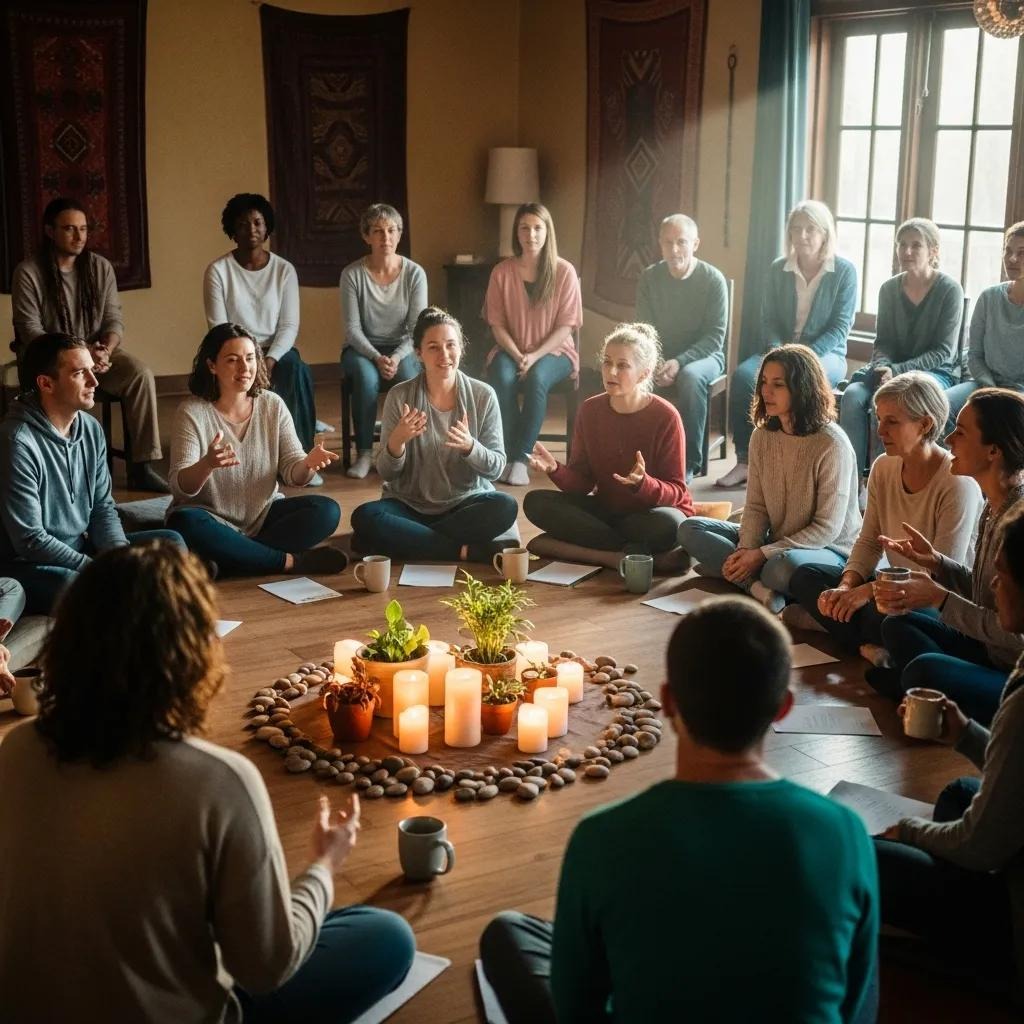
Community plays a vital role in supporting spiritual growth without the constraints of legalism. Shared faith experiences and mutual encouragement can significantly enhance individual practices.
Why Is Shared Faith Important in Building Non-Pressured Spiritual Routines?
Shared faith experiences foster a sense of belonging and accountability among believers. When individuals engage in spiritual practices together, they can encourage one another and share insights, making the journey more enjoyable and less burdensome. This communal aspect of faith helps to alleviate the pressure often associated with individual practices, allowing for a more relaxed and supportive environment for spiritual growth.
How Does Anonymous Prayer Strengthen Spiritual Community?
Anonymous prayer can strengthen spiritual communities by creating a safe space for individuals to share their needs and support one another. This practice allows believers to lift each other up without fear of judgment, fostering a sense of unity and compassion. By participating in anonymous prayer, individuals can experience the power of community while maintaining their personal connection to God, enhancing their spiritual journey in a meaningful way.
| Spiritual Habit | Description | Benefits |
|---|---|---|
| Daily Prayer | Engaging in prayer at various times throughout the day | Strengthens connection with God, promotes mindfulness |
| Scripture Reading | Incorporating scripture into daily routines | Deepens understanding of faith, encourages reflection |
| Community Engagement | Participating in group activities or discussions | Fosters accountability, enhances shared experiences |
Building spiritual habits gently and effectively requires intentionality and grace. By embracing a non-legalistic approach, individuals can cultivate a fulfilling spiritual life that resonates with their unique journeys. Through the integration of technology, community support, and adaptable practices, believers can navigate the challenges of spiritual growth with joy and purpose.
Frequently Asked Questions
What are some examples of spiritual habits that can be easily integrated into daily life?
Spiritual habits can include practices such as daily prayer, scripture reading, and moments of gratitude. For instance, setting aside a few minutes each morning to pray or reflect on a verse can help establish a routine. Additionally, incorporating gratitude journaling at the end of the day allows individuals to recognize and appreciate the blessings in their lives. These small, intentional actions can significantly enhance one's spiritual journey without feeling overwhelming or burdensome.
How can I find a supportive community for my spiritual growth?
Finding a supportive community for spiritual growth can be achieved through local churches, online forums, or small group gatherings. Many churches offer community groups focused on various aspects of faith, providing opportunities for shared experiences and encouragement. Additionally, social media platforms and apps dedicated to spirituality can connect you with like-minded individuals. Engaging in these communities fosters accountability and support, making your spiritual journey more enriching and less isolating.
What role does mindfulness play in developing spiritual habits?
Mindfulness plays a crucial role in developing spiritual habits by encouraging individuals to be present and aware of their thoughts and feelings. Practicing mindfulness can enhance prayer and meditation, allowing for deeper connections with God. By being mindful, believers can better recognize moments of spiritual significance throughout their day, transforming ordinary activities into opportunities for reflection and growth. This awareness fosters a more intentional approach to spirituality, making it a natural part of daily life.
How can I overcome feelings of guilt when I miss a spiritual practice?
Overcoming feelings of guilt when missing a spiritual practice involves embracing grace and understanding that spiritual growth is a journey. Instead of focusing on perfection, remind yourself that it's normal to have ups and downs. Reframe your mindset by viewing missed practices as opportunities to learn and grow rather than failures. Setting realistic expectations and allowing for flexibility in your routine can help alleviate guilt, making it easier to return to your practices with renewed enthusiasm.
What are some practical ways to incorporate technology into spiritual practices?
Technology can enhance spiritual practices through various apps and online resources. For example, using Bible apps for daily verses or meditation guides can make scripture engagement more accessible. Additionally, joining online prayer groups or forums can provide community support. Social media can also be a platform for sharing inspirational content and connecting with others on similar spiritual journeys. By leveraging technology, believers can create a more interactive and engaging spiritual experience.
How can I ensure my spiritual habits remain flexible during life changes?
To ensure spiritual habits remain flexible during life changes, it's essential to adopt a mindset of adaptability. Start by assessing your current practices and identifying which ones can be adjusted to fit new circumstances. For instance, if your schedule becomes busier, consider shorter, more frequent prayer sessions instead of longer ones. Communicating with your community for support and encouragement can also help maintain your spiritual routine, ensuring that growth continues even amidst transitions.