
Prayer for the Deceased: Comprehensive Guide to Christian Prayers and Comfort
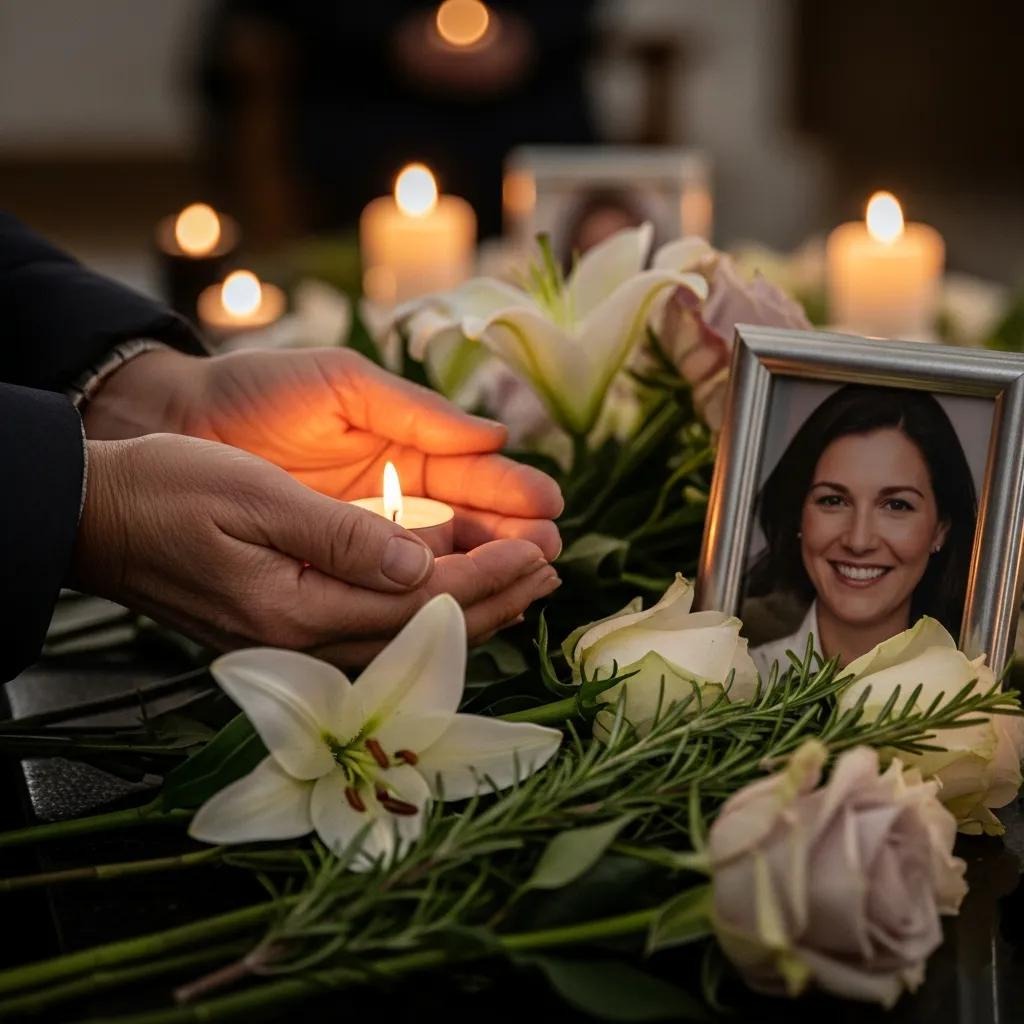
Prayer for the deceased holds a significant place in Christian faith, serving as a means of expressing love, hope, and remembrance for those who have passed away. This comprehensive guide explores the theological basis, types of prayers, and effective practices for praying for the deceased. Many individuals seek comfort and connection with their departed loved ones, and understanding the purpose and methods of these prayers can provide solace during times of grief. In this article, we will delve into the purpose and theological basis of prayer for the deceased, explore common types of prayers, and discuss how to integrate these practices into daily spiritual life.
What Is the Purpose and Theological Basis of Prayer for the Deceased?
The purpose of prayer for the deceased in Christianity is rooted in the belief that prayer can aid the souls of those who have passed, offering them comfort and support in their journey after death. This practice is based on the theological understanding that the bonds of love and community extend beyond physical life. Many Christians believe that prayers can help the departed souls find peace and healing, reflecting the communal aspect of faith that emphasizes intercession and support.
Why Do Christians Pray for Departed Souls?
Christians pray for departed souls for several reasons. Historically, this practice stems from the belief in the communion of saints, where the living can intercede on behalf of the deceased. This intercession is seen as a way to express love and solidarity, providing emotional and spiritual benefits to both the living and the departed. Additionally, praying for the deceased fosters a sense of community, reminding believers that they are not alone in their grief.
Is It Biblical to Pray for the Dead?
The question of whether it is biblical to pray for the dead has been a topic of theological debate. Key scripture references, such as 2 Maccabees 12:46, suggest that prayers for the dead can be beneficial. Different interpretations among denominations highlight the theological implications of this practice, with some viewing it as a means of aiding souls in purgatory, while others see it as a way to honor the memory of loved ones. Ultimately, the biblical basis for praying for the deceased varies among Christian traditions, but many find comfort in the practice.
Which Types of Prayers Are Commonly Used for the Deceased?

Various types of prayers are commonly used for the deceased, reflecting the diverse traditions within Christianity. These prayers serve different purposes, from offering comfort to expressing hope for eternal life.
What Are Traditional Catholic Prayers for the Dead?
Traditional Catholic prayers for the dead include the "Eternal Rest" prayer, which asks for God's mercy and peace for the departed soul. Other prayers, such as Mass intentions, are offered during the Eucharist to commemorate the deceased. The role of saints in these prayers is significant, as Catholics often seek the intercession of saints to aid the souls of the departed.
How Do Protestant Prayers for Departed Loved Ones Differ?
Protestant prayers for departed loved ones often emphasize a personal relationship with God, focusing on the assurance of salvation and eternal life. Common Protestant prayers may include expressions of gratitude for the deceased's life and requests for comfort for the grieving. The theological differences between Catholic and Protestant prayers highlight the diverse approaches to honoring the deceased within Christianity.
How Can You Pray Effectively for the Deceased?
Effective prayer for the deceased involves intentionality and sincerity, allowing individuals to connect with their loved ones spiritually. Here are some practical tips for praying effectively.
What Are Simple and Short Funeral Prayers?
Simple and short funeral prayers can provide comfort during memorial services. Examples include:
- Eternal Rest Prayer: "Eternal rest grant unto them, O Lord, and let perpetual light shine upon them."
- Prayer of Commendation: "Into your hands, O Lord, we commend our brother/sister."
- Personal Reflections: Sharing a memory or a personal message can also serve as a heartfelt prayer.
These prayers can be adapted to fit the context of the service and the relationship with the deceased.
Which Bible Verses Provide Comfort After Death?
Several Bible verses offer comfort after the loss of a loved one. Key verses include:
- Psalm 34:18: "The Lord is close to the brokenhearted and saves those who are crushed in spirit."
- John 14:1-3: "Do not let your hearts be troubled. You believe in God; believe also in me."
- Revelation 21:4: "He will wipe every tear from their eyes. There will be no more death or mourning or crying or pain."
These verses can be incorporated into prayers, providing a source of hope and reassurance.
How Does ConfideIn’s AI Technology Enhance Prayer for the Deceased?
ConfideIn's AI technology offers innovative ways to enhance the experience of prayer for the deceased, making it more accessible and personalized for individuals seeking spiritual connection.
What Is the AI Bible Art Generator for Personalized Scripture Art?
The AI Bible Art Generator allows users to create personalized biblical artwork tailored to their specific needs and circumstances. By inputting details about life situations, emotional states, and desired artistic style, individuals can receive customized scripture art that resonates with their faith journey and intentions. This technology not only facilitates personal spiritual expression but also fosters a deeper connection with God's Word through visual creativity.
How Does the AI Prayer Ring Facilitate Spiritual Connection and Remembrance?
The AI Prayer Ring utilizes NFC technology to deliver mood-matched Bible verses and anonymous blessings through a simple phone tap. This innovative approach allows users to engage with their faith in a meaningful way, providing comfort and support during times of grief. By integrating technology into spiritual practices, ConfideIn enhances the experience of remembrance and connection with the deceased.
The first time I used the Prayer Ring after losing someone I loved, it wasn’t about finding answers—it was about remembering. With a quiet tap, a verse about eternal rest appeared, gentle and unforced. I paused, holding their name in my heart, and let the words sit with my grief instead of trying to resolve it. The moment felt personal, almost sacred, like a small space set aside just for remembrance. It didn’t take the pain away, but it gave my prayers a place to land—turning memory into something tender, prayerful, and connected rather than overwhelming.
What Prayers Support Grieving Families and Specific Relationships?
Prayers tailored for grieving families can provide essential support during difficult times. These prayers acknowledge the unique relationships shared with the deceased and offer comfort to those left behind.
Which Prayers Comfort Those Mourning Loved Ones?
Prayers that comfort those mourning loved ones often include expressions of love and remembrance. Examples include:
- Prayer for Strength: "Lord, grant us the strength to carry on in the face of our loss."
- Prayer for Peace: "May your peace, which surpasses all understanding, guard our hearts and minds."
- Prayer for Hope: "Help us to find hope in the promise of eternal life."
These prayers can be shared among family members and friends, fostering a sense of community and support.
What Are Appropriate Prayers for Funeral and Memorial Services?
Appropriate prayers for funeral and memorial services should reflect the tone of the occasion. Examples include:
- Opening Prayer: "We gather here today to honor the life of [Name] and to celebrate the love we shared."
- Closing Prayer: "As we part ways, may we carry [Name]'s memory in our hearts and find comfort in our shared love."
- Reflection Prayer: "Let us take a moment to reflect on the joy [Name] brought into our lives."
These prayers help set the atmosphere for the service and provide a framework for remembrance.
How Can You Integrate Prayer for the Deceased into Daily Spiritual Practice?

Integrating prayer for the deceased into daily spiritual practice can help maintain a connection with loved ones and foster ongoing remembrance.
What Are Short Daily Prayers for Departed Souls?
Short daily prayers for departed souls can be easily incorporated into personal routines. Examples include:
- Morning Prayer: "Good morning, Lord. I remember [Name] today and ask for your peace to be with them."
- Evening Reflection: "As I end my day, I reflect on the love shared with [Name] and ask for your comfort."
- Gratitude Prayer: "Thank you, Lord, for the time I had with [Name]. May they rest in peace."
These prayers can serve as gentle reminders of the ongoing bond with the deceased.
How to Use Scripture and Prayer Together for Healing?
Combining scripture and prayer can enhance the healing process. Here are some methods to integrate both:
- Daily Devotionals: Start each day with a scripture reading followed by a prayer for the deceased.
- Journaling: Write down thoughts and prayers alongside relevant scripture verses, creating a personal reflection space.
- Group Prayer: Engage in group prayer sessions that incorporate scripture readings, fostering community support and shared healing.
This approach not only honors the memory of the deceased but also promotes emotional healing for those left behind.
For further inquiries or to learn more about how ConfideIn supports spiritual journeys, please feel free to reach out. Connecting with our community can provide additional comfort and guidance during times of remembrance.
Frequently Asked Questions
What role do rituals play in prayers for the deceased?
Rituals are integral to prayers for the deceased as they provide structure and a sense of community during times of grief. These rituals can include memorial services, candlelight vigils, or specific prayer gatherings that honor the memory of the departed. They help the bereaved express their emotions, share memories, and find solace in collective mourning. Engaging in these rituals can also reinforce the belief in the afterlife and the ongoing connection with loved ones, making the grieving process more meaningful.
How can I create a personal prayer for a deceased loved one?
Creating a personal prayer for a deceased loved one involves reflecting on your relationship and the qualities you cherished. Start by expressing your feelings, such as love, gratitude, or sorrow. You can include specific memories or attributes that made them special. Consider incorporating scripture or meaningful quotes that resonate with you. The prayer can be simple or elaborate, but it should authentically convey your emotions and intentions, allowing you to connect spiritually with your loved one.
Are there specific days or times that are significant for praying for the deceased?
Many Christians observe specific days, such as All Souls' Day or anniversaries of a loved one's passing, as significant times for praying for the deceased. These occasions provide an opportunity to remember and honor those who have died. Additionally, personal milestones, such as birthdays or holidays, can also be meaningful times to pray. Engaging in prayer during these moments can help maintain a connection with the deceased and offer comfort to those who are grieving.
How can I support someone who is grieving through prayer?
Supporting someone who is grieving through prayer involves being present and offering your prayers for their loved one. You can ask if they would like you to pray with them or for them, creating a shared experience of remembrance. Additionally, sending them a written prayer or a comforting message can provide solace. It's essential to listen and validate their feelings, as your prayers can serve as a source of strength and encouragement during their healing journey.
What are some common misconceptions about praying for the deceased?
One common misconception is that praying for the deceased is futile or unnecessary, as their fate is already sealed. However, many Christians believe that prayers can provide comfort and support to the departed, aiding their journey in the afterlife. Another misconception is that only certain types of prayers are valid; in reality, personal and heartfelt prayers are just as meaningful. Understanding these misconceptions can help individuals approach the practice of praying for the deceased with an open heart and mind.
How can technology assist in remembering and praying for the deceased?
Technology can enhance the experience of remembering and praying for the deceased through various tools and platforms. For instance, apps and websites can provide personalized prayer generators, allowing users to create tailored prayers. Social media can serve as a space for sharing memories and tributes, fostering community support. Additionally, digital memorials can keep the memory of loved ones alive, enabling friends and family to engage in collective prayer and remembrance, regardless of physical distance.